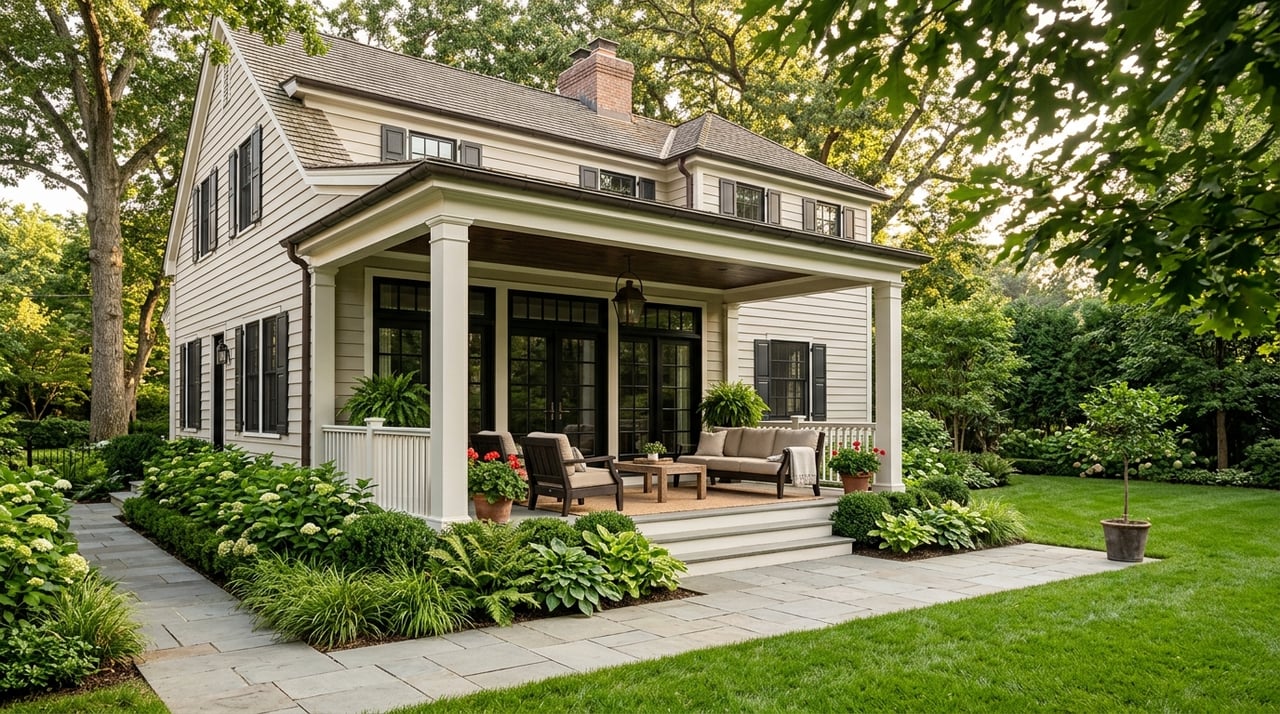
If you are getting ready to sell an older home in Oak Hill, you may be wondering what today’s buyers will notice first and what they will quietly file away as a future expense. In a market where homes often sit on large, wooded lots and carry premium price points, buyers tend to look closely at both presentation and condition. The good news is that you do not need to guess. With the right prep plan, you can focus on the updates and details that shape buyer confidence most. Let’s dive in.
Why first impressions matter in Oak Hill
Oak Hill is a unique residential market in south Davidson County, known for single-family homes, large tree-filled lots, and a low-density setting. The city reports about 1,800 homes across roughly 8 square miles, with planning, land use, and zoning playing a central role in how properties are maintained and improved.
That setting matters when you sell an older home. Buyers are not just comparing square footage or bedroom count. They are also noticing how the house fits its lot, how well the property has been maintained, and whether the home feels ready for modern living.
Public market snapshots can give a general sense of Oak Hill’s high-end price range, but they do not always agree on market pace. That is one reason live MLS comps and local pricing strategy matter more than any single portal headline when you prepare to list.
What buyers notice first online
Many buyers begin their home search online, and that means your home’s first showing often happens on a screen. Before they ever step onto the driveway, buyers are already reacting to photos, visible condition, and whether the home looks bright, clean, and cared for.
For an older Oak Hill home, buyers tend to notice the same visual cues right away. They look at roof condition, exterior paint, the front entry, flooring consistency, and whether rooms feel move-in ready. These are not small details. They shape the buyer’s first emotional response and influence whether they want to schedule a showing at all.
This is where presentation becomes part of strategy. A thoughtfully prepared home photographs better, shows better, and helps buyers focus on the home’s strengths instead of fixating on deferred maintenance.
What buyers notice in person
Once buyers walk through the front door, they are usually looking for two things at the same time. First, they want a home that feels welcoming and functional. Second, they are trying to spot future projects, risks, or hidden costs.
In an older home, that often means buyers pay close attention to:
- Roof and exterior condition
- Paint and finish quality
- Flooring wear or inconsistency from room to room
- Kitchen and bathroom freshness
- Natural light and overall brightness
- The condition of doors, trim, and entry features
- Signs that plumbing, electrical, and HVAC systems have been maintained
Even when a buyer loves the charm of an older property, visible upkeep still matters. If the home feels well cared for, buyers are more likely to assume the unseen systems have been cared for too. If the visible items look neglected, they may start wondering what else has been deferred.
Kitchens and baths still carry weight
If you are deciding where to spend time and money before listing, kitchens and bathrooms usually deserve attention. Buyer preference research continues to point to these spaces as major decision points, especially when the goal is to make an older home feel more functional and current.
That does not always mean a full renovation. In many cases, the smarter move is visual freshness and practical improvement. Updated finishes, cleaner lines, improved lighting, and better flow can go a long way without turning the project into an expensive custom overhaul.
For many sellers, the question is not “Should I fully rebuild this room?” It is “What will help this space feel clean, usable, and easy for the next owner to enjoy?” That mindset often leads to better returns and less pre-listing stress.
Flooring, paint, and the front door
Some of the most important pre-sale improvements are also some of the easiest for buyers to notice. Research on seller prep projects consistently points to whole-home painting, selective room painting, new roofing, kitchen upgrades, and bathroom renovations as top recommendations before selling.
Buyers also respond strongly to new wood flooring and updated front doors. That makes sense. These are highly visible elements that affect how polished and current the home feels within seconds of arrival.
If your older Oak Hill home has mismatched flooring, worn paint colors, or a dated front entry, those items can distract buyers from the home’s size, lot, or character. On the other hand, when the palette feels fresh and the entry feels inviting, the home often makes a stronger impression right from the start.
Outdoor living matters more here
In Oak Hill, the lot is part of the story. With mature trees, private settings, and a landscape-driven feel, buyers are often evaluating the full indoor-outdoor experience.
That means outdoor presentation deserves real attention before you list. Buyer preference research shows continued interest in features like exterior lighting, patios, front porches, rear porches, and decks. In higher price points, interest can also rise for outdoor kitchens and other entertaining features.
You do not need to create an elaborate backyard resort to appeal to buyers. But you do want the exterior to feel intentional, maintained, and usable. Clean landscaping, visible outdoor gathering areas, and lighting that helps buyers imagine evening use can make a meaningful difference.
Accessibility and function are on buyers’ minds
Many buyers are also paying closer attention to practical design features that make daily living easier. Research shows strong interest in features such as a full bath on the main level, wider doorways, wider hallways, non-slip floor surfaces, and entrances without steps.
Not every older home can be easily adapted to include all of these elements. Still, if your home already offers any of them, they are worth highlighting in your marketing and showings. If there is a simple way to improve function without major construction, that may be more valuable than a cosmetic project with limited impact.
Buyers also continue to show interest in energy-efficient and convenience-focused features like programmable thermostats, multi-zone HVAC, security cameras, and video doorbells. These details may not define the sale on their own, but they can support the overall impression that the home has been thoughtfully updated.
What to fix before listing
When sellers over-improve, they often spend too much in places buyers may not value enough. In many cases, the best strategy is a selective one.
A practical priority list for an older Oak Hill home often looks like this:
- Address visible maintenance issues first
- Refresh paint and finishes
- Improve kitchens and baths where needed
- Create flooring consistency if possible
- Strengthen curb appeal and entry impact
- Clean up outdoor living areas and landscaping
This kind of plan lines up with what buyers notice most and what sellers are commonly advised to tackle before listing. It also helps you avoid getting pulled into expensive custom work that may not expand your buyer pool.
What to leave alone
Not every older feature needs to be replaced. In fact, major expansions or highly personalized renovations may not be the best use of your money, especially if the layout problems are not severe.
Broader housing trend data suggest that buyers are not always chasing more square footage for its own sake. They are often more interested in homes that feel functional, manageable, and ready to enjoy.
That is why selective updates usually make more sense than a major pre-sale remodel. If a project will be costly, time-consuming, and difficult to recover at resale, it may be better to price the home strategically and let the next owner decide how far they want to take it.
Oak Hill permit rules can affect your prep plan
Before starting work, it is important to remember that Oak Hill’s local rules can shape what is practical. The city states that building permits may apply to work that physically changes structures or landforms. Construction generally must be done by a Tennessee-licensed contractor with workers’ compensation and liability insurance, and completed work may require a Certificate of Use and Occupancy.
The city also requires erosion control and tree protection during construction. If your property falls within a steep-slope area or the Radnor Lake impact zone, there may be added limits on clearing, grading, and vegetation changes.
In other words, even a well-intended exterior or site improvement can become more complex than expected. This is one more reason to focus first on improvements that are visible, practical, and easier to execute within local requirements.
How a targeted prep program can help
If your home would benefit from a few strategic updates, a seller-prep program can sometimes make that easier. Compass Concierge is designed to front the cost of approved home-improvement services with zero due until closing, and covered services may include staging, flooring, painting, landscaping, HVAC, roofing repair, kitchen and bathroom improvements, and water-heating or plumbing repair.
For many Oak Hill sellers, the best use of a program like this is not a broad renovation. It is a focused plan built around the handful of improvements most likely to improve photos, showings, and buyer confidence.
That approach fits especially well with older homes. Instead of trying to reinvent the property, you can invest in the updates that help buyers see the home’s character, livability, and value more clearly.
The real goal is buyer confidence
When buyers tour an older Oak Hill home, they are not expecting brand-new everything. What they do want is reassurance. They want to feel that the home has been cared for, that the most visible items are in good shape, and that they are not walking into a long list of immediate projects.
That is why the homes that stand out are usually not the ones with the most dramatic renovations. They are the ones that feel clean, bright, functional, and thoughtfully prepared for the market.
With the right pricing, the right presentation, and a smart update strategy, your older home can compete beautifully. If you want guidance on which improvements are worth making before you list, Kayla Jarmon can help you build a focused plan that supports your goals and your bottom line.
FAQs
What do buyers notice first when touring an older Oak Hill home?
- Buyers often notice roof condition, paint, flooring, the front entry, room brightness, and whether the home feels move-in ready.
Which updates matter most when selling an older home in Oak Hill?
- The most important updates are usually visible maintenance items, fresh paint, selective kitchen and bathroom improvements, flooring updates, and curb appeal enhancements.
Should you fully renovate a kitchen before selling an older Oak Hill home?
- Not always. A targeted kitchen refresh is often more practical than a full custom remodel, especially when the goal is to improve function and visual appeal.
How important is outdoor space when selling a home in Oak Hill?
- Outdoor presentation matters a lot because buyers are often comparing the full indoor-outdoor experience on large, wooded lots.
Do Oak Hill permit rules affect pre-listing home improvements?
- Yes. Oak Hill states that permits may apply to work that changes structures or landforms, and some properties have added review limits related to steep slopes or the Radnor Lake impact zone.
Can Compass Concierge help prepare an older Oak Hill home for sale?
- Yes. Compass Concierge may help cover approved services like painting, flooring, staging, landscaping, roofing repair, and certain kitchen, bath, HVAC, or plumbing improvements, with payment due at closing.