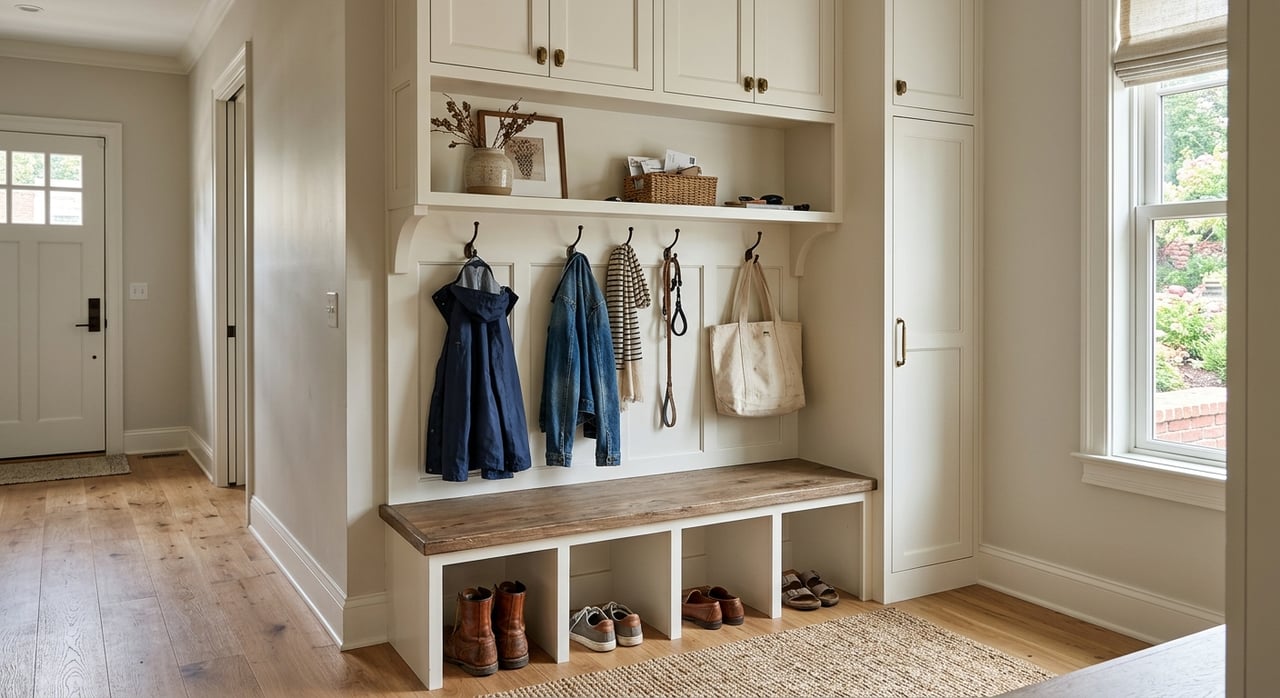
Buying a brand-new home in Spring Hill can feel like the best of both worlds: fresh finishes, modern layouts, and the chance to make a home your own. But in a fast-growing city, new construction comes with extra moving parts that many buyers do not expect. If you want to avoid surprises, protect your budget, and feel more confident before closing, it helps to know what matters most locally. Let’s dive in.
Why Spring Hill New Construction Needs Extra Attention
Spring Hill is growing, and the city is actively managing that growth through its Planning Division and Building Codes office. That means your purchase is not only about the house itself. It can also involve approved subdivisions, zoning activity, inspections, utility coordination, and nearby infrastructure projects.
For you as a buyer, that makes lot location especially important. A home may look perfect on day one, but surrounding development, road work, or utility details can affect your day-to-day experience after closing. Asking what is already approved, what is still pending, and what nearby projects are underway can give you a clearer picture of what you are really buying into.
Spring Hill also notes that electric service can vary by address, with three providers serving the city. That is a small detail that can matter in practice, especially if you are comparing neighborhoods, planning move-in timing, or thinking ahead about ongoing utility setup.
What Makes a New Construction Contract Different
A new-construction contract is usually more detailed and more timeline-sensitive than a typical resale contract. Tennessee consumer guidance recommends a written agreement that clearly spells out the exact work, start and completion dates, total cost, payment schedule, and warranty or guarantee terms.
That matters because the biggest stress points in new construction often come from the fine print. Change orders, upgrade selections, completion dates, and builder incentives can all affect your final cost and your expectations. If something is important to you, it needs to be in writing.
Tennessee guidance also recommends verifying the contractor’s license, insurance, complaint history, and who will actually perform the work. It is also smart to confirm whether the builder or contractor is handling required permits. You do not want to assume those details are covered without checking.
Key contract questions to ask
- What exact features, finishes, and upgrades are included in the base price?
- What is the estimated start date and completion date?
- How are delays handled in the contract?
- How are change orders approved and priced?
- Who is responsible for pulling permits?
- What warranty terms apply, and what is excluded?
- Who is actually completing the work on site?
How Construction Timelines Affect Your Financing
Build timing does not only affect your move-in date. It can also affect your mortgage costs. Consumer guidance notes that closing costs typically range from 2% to 5% of the home price, so your final cash-to-close number deserves close attention.
Rate locks are another important part of the puzzle. A rate lock generally protects you only if your transaction closes within the stated lock period and there are no material changes to your application. If construction runs long, extending that lock may cost extra.
You should also know that your lender must provide the Closing Disclosure at least three business days before closing. That gives you time to compare the final figures with your earlier Loan Estimate. In a new-build transaction, that comparison is especially helpful if there have been timeline shifts, builder credits, or upgrade changes along the way.
Why Independent Representation Matters
Even if the builder has a sales team and preferred vendors, this is still your purchase. That is why independent representation can be so valuable. A buyer-focused real estate professional can help you track deadlines, review what is promised, and keep attention on your interests throughout the process.
You may also choose your own attorney to review documents before signing or before closing. Consumer guidance makes an important distinction here: attorneys involved for the lender or seller do not represent the buyer’s interests. If the contract includes builder incentives, timing language, or warranty terms that feel unclear, an independent review can add peace of mind.
For many buyers, especially first-time buyers and relocators, this support is less about adding complexity and more about reducing avoidable stress.
City Inspections vs. Your Home Inspection
One of the most common misconceptions in new construction is assuming that a city inspection replaces an independent home inspection. It does not. Spring Hill’s inspections are tied to permit compliance and code standards, which is different from a buyer-focused inspection.
An independent home inspector can look for visible defects, finish issues, and concerns with major systems. That extra layer can help you spot items that matter to you as an owner, not just issues tied to minimum code compliance.
Tennessee health guidance notes that home inspections are often included in real estate contracts, and if serious problems are found, buyers may be able to withdraw their offer. That makes the inspection process an important part of your protection, even with a newly built home.
Items buyers often review closely
- Exterior grading and drainage
- Roofing and flashing details
- Windows and doors
- HVAC performance
- Plumbing fixtures and leaks
- Electrical outlets and panels
- Drywall, trim, and paint finishes
- Flooring installation
- Appliance operation
- Attic and crawlspace access, if applicable
Read Builder Warranties Carefully
A builder warranty and a home warranty are not the same thing. Federal Trade Commission guidance explains that a builder warranty typically comes with new construction and often covers permanent parts of the home, while a home warranty is usually a separate service contract that costs extra.
Builder warranties commonly provide limited coverage periods for different components. Many offer about one year for workmanship and materials, around two years for plumbing, electrical, and HVAC systems, and up to 10 years for major structural defects. The exact terms can vary, so you should review what is covered, how claims are made, and what deadlines apply.
If you are using FHA or VA financing, warranty structure can matter even more because those loan types require third-party warranties for newly built homes. This is another reason to ask questions early instead of waiting until the final walkthrough.
Do Not Skip Radon Testing in Tennessee
Because the home is new, it is easy to assume radon is not a concern. Tennessee guidance says otherwise. The Tennessee Radon Program reports that dangerous radon levels are common in homes statewide, and elevated levels requiring action have been found in every county.
That means a newly built slab or crawlspace home in Spring Hill is not automatically exempt from testing. The state says radon levels at or above 4 pCi/L call for immediate action. Testing is a simple step that can give you better information before or shortly after move-in.
HOA Rules, Amenities, and Future Costs
In many new communities, the neighborhood lifestyle is part of the appeal. Pools, trails, playgrounds, green space, and clubhouses can all shape how a neighborhood feels. But in Spring Hill, it is important to understand who maintains what and when amenities are actually required to be delivered.
City regulations say that in certain development types, the HOA or a third-party maintenance group is responsible for maintaining open spaces, parks, amenity areas, landscaping, and irrigation. The city maintains public infrastructure it accepts, such as streets, water distribution, sanitary sewer, and storm drainage systems. It does not maintain features like open ditches, swales, detention basins, retention basins, or water features.
Spring Hill’s PUD rules also say that amenities shown during preliminary approval must be built and available by the time a phase or section reaches 50% completion. That is helpful for buyers, but it also means you should not assume every advertised amenity is already complete just because it appears in marketing materials.
HOA items to review before you commit
- Monthly or quarterly dues
- Current budget and reserve information
- Rules for exterior changes or additions
- Amenity construction timing
- Maintenance responsibility for common areas
- Any limits that affect future projects on your lot
Think Ahead About Post-Closing Projects
Many buyers focus so heavily on the purchase that they forget to ask what comes next. In Spring Hill, common after-closing projects like fences, pools, sheds, sunrooms, driveway extensions, and concrete slabs may require permits.
That matters if you are buying a new-construction home and already planning improvements. Before you budget for backyard upgrades or extra hardscaping, it is wise to confirm what the city requires and what the HOA allows. A lot that seems ready for your plans may have more rules than you expected.
A Smart Spring Hill New-Build Checklist
If you want a simpler way to stay organized, start here:
- Verify the builder’s license and complaint history
- Confirm who is pulling permits
- Ask who is actually performing the work
- Make sure all upgrades and change orders are in writing
- Review the build timeline and delay terms carefully
- Compare HOA costs with your total monthly budget
- Ask when promised amenities will be completed
- Schedule an independent home inspection
- Review builder warranty coverage and deadlines
- Consider radon testing
- Keep photos, receipts, and a running punch list
- Slow down before signing a completion certificate if issues remain
Tennessee consumer guidance also warns that final payment or signing a completion certificate can carry legal consequences if you are still unhappy with the work. If there are unresolved concerns, that is the time to ask questions, document issues clearly, and avoid rushing through the final steps.
The Bottom Line for Spring Hill Buyers
New construction in Spring Hill can be a great opportunity, especially if you want modern design, energy-efficient features, and a home that fits your lifestyle from day one. But the smartest buyers look beyond the model home and pay close attention to contracts, inspections, timelines, warranties, HOA details, and local development context.
When you understand how Spring Hill manages growth and what questions to ask before you sign, you can move forward with more clarity and fewer surprises. And when you have the right guidance, the process feels a lot more manageable.
If you are exploring new construction in Spring Hill and want calm, responsive guidance through every step, Kayla Jarmon is here to help you buy with confidence.
FAQs
What should buyers know about new construction in Spring Hill, TN?
- Buyers should pay attention to more than the home itself, including permits, nearby development, utility providers, HOA details, and local infrastructure projects that may affect daily life.
What should buyers review in a Spring Hill new construction contract?
- You should review the exact work included, upgrade terms, payment schedule, estimated completion date, delay language, warranty details, and who is responsible for permits.
Do buyers need an independent inspection for a new home in Spring Hill?
- Yes. A city inspection focuses on code compliance, while an independent home inspection can help identify visible defects, finish issues, and concerns with major systems.
Are HOA amenities guaranteed in Spring Hill new construction neighborhoods?
- Not automatically. Buyers should verify what amenities were approved, when they must be completed, and who will maintain them.
Should buyers test a newly built home for radon in Tennessee?
- Yes. Tennessee says elevated radon levels have been found in every county, and levels at or above 4 pCi/L call for immediate action.
Can buyers add fences, pools, or sheds after closing on a new Spring Hill home?
- Possibly, but Spring Hill notes that common post-closing projects like fences, pools, sheds, sunrooms, slabs, and driveway extensions may require permits.