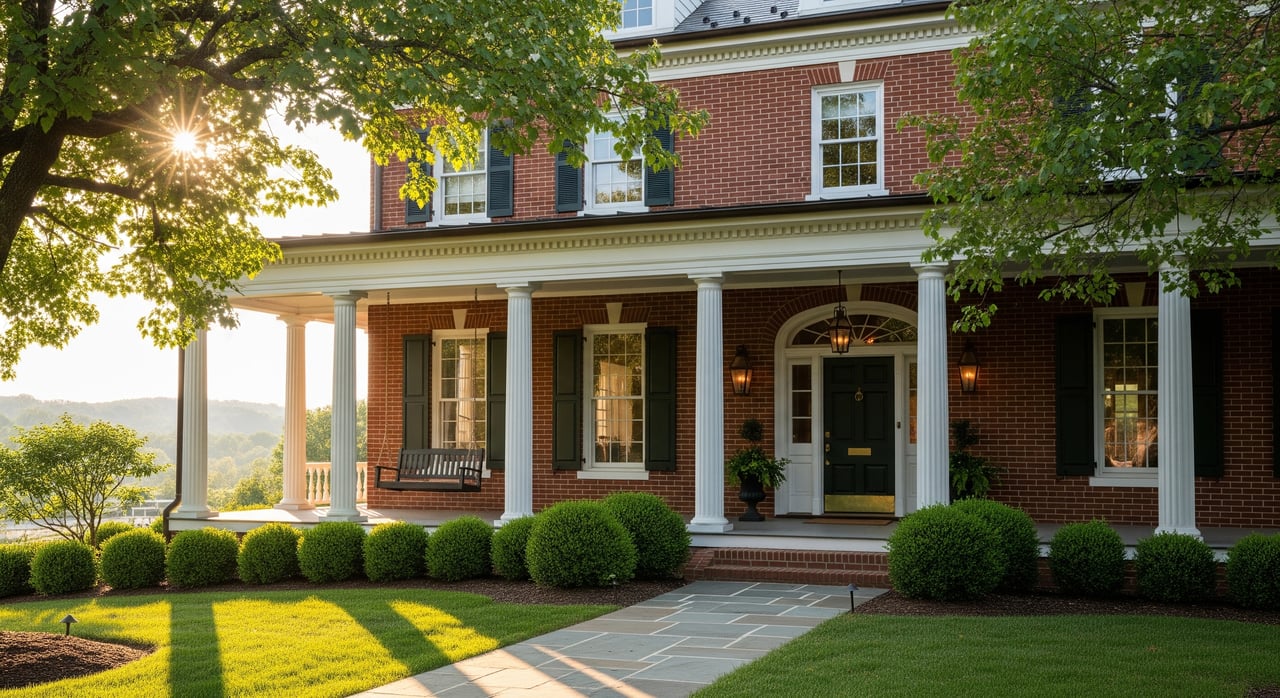
Thinking about moving to Franklin, TN with your family? You are not alone. Franklin blends small‑city charm with modern amenities, all within commuting distance of Nashville. In this guide, you will learn what to expect from housing, schools, commutes, and lifestyle, plus a step‑by‑step checklist to make your move smoother. Let’s dive in.
Franklin at a glance
Franklin sits about 20 to 25 miles south of downtown Nashville along I‑65, which makes it a popular home base for professionals who want suburban living with access to city jobs and culture. The city has grown steadily, adding neighborhoods, parks, and services to support families and newcomers. For a quick snapshot of population trends and household data, review the U.S. Census Bureau’s overview of Franklin city, Tennessee in the latest QuickFacts.
Tennessee does not have a general state income tax, which is appealing for many relocating families. You will still budget for sales and property taxes; for statewide tax information, visit the Tennessee Department of Revenue. Housing and overall costs in Williamson County tend to be higher than the state average, so plan your budget with that in mind.
Housing in Franklin: what to expect
Common home types
- Historic downtown: Late‑19th and early‑20th century homes with Victorian and craftsman styles, smaller lots, and walkable access to Main Street.
- Suburban subdivisions: Single‑family homes from the 1990s to present with larger lots and modern layouts.
- Master‑planned communities: Neighborhoods such as Westhaven and Berry Farms offer pools, playgrounds, trails, and organized events.
- Townhomes and condos: Increasingly common for first‑time buyers and downsizers who want low‑maintenance living.
Typical price ranges
These ranges can shift with interest rates and inventory, but they help you set expectations:
- Townhomes and condos: Often start in the low‑to‑mid $200,000s to $400,000s, depending on size and location.
- Smaller or older single‑family homes: Often mid‑$300,000s to $600,000s.
- Family‑sized or newer single‑family homes: Commonly $600,000s to $900,000s based on neighborhood and lot size.
- Luxury homes and estates: Roughly $900,000 to several million.
School zoning, lot size, proximity to downtown, and community amenities can influence pricing. Your agent can help you interpret value by area and property type.
New construction vs resale
- New builds: You get modern floor plans, energy‑efficient systems, and builder warranties. Expect homeowners association rules and site plan guidelines in many planned communities.
- Resale homes: You may gain character, larger lots, and closer‑in locations. Budget for updates, especially with older properties.
HOAs and historic overlays
Many newer subdivisions and master‑planned communities have HOAs with monthly fees and rules for exterior changes, landscaping, and parking. If you are eyeing a home in Franklin’s historic district, know that exterior changes often require design review and permits. Learn about the city’s historic preservation process on the City of Franklin site.
Neighborhoods and lifestyle for families
Walkable historic core
If you want walkability to shops, dining, and community events, the historic core and nearby streets offer a charming lifestyle with smaller yards and tree‑lined sidewalks. Main Street hosts festivals and seasonal markets, which you can preview through the area’s event listings at Visit Franklin.
Master‑planned amenities
Master‑planned communities such as Westhaven and Berry Farms draw families who value neighborhood pools, playgrounds, and social events. HOA fees tend to be higher in these areas, but many families appreciate the convenience of built‑in recreation and activity calendars.
Parks, greenways, and historic spaces
Franklin’s park network supports biking, walking, and youth sports. You will find family‑friendly favorites like Harlinsdale Farm and Pinkerton Park, plus greenway access along the Harpeth River. The area also features historic sites with open grounds that host events and tours. Explore Carnton to get a feel for local history and programming at Carnton. For an all‑in‑one destination with shops and community events, check out The Factory at Franklin.
Healthcare and child services
Williamson Medical Center provides emergency and general hospital services in Franklin. Keep the location and services handy as you plan your move and healthcare transfers: Williamson Medical Center. You will also find pediatric practices and urgent care options around town, with specialty care available in nearby Nashville.
Schools, childcare, and enrollment
Franklin is primarily served by Williamson County Schools, a district that is widely recognized for strong academic performance and graduation metrics. School assignments are address‑based, and boundaries can influence your home search. Confirm the exact zone for any property before you make an offer and review enrollment steps at Williamson County Schools.
The wider Franklin and Nashville area includes multiple private and parochial options. If you plan to explore private schools, start early; admission timelines and waitlists can be competitive. Childcare demand is also high, so begin daycare and preschool research as soon as you have a target move date.
For public school enrollment, you will typically need proof of residency, immunization records, and prior school records. Contact schools 6 to 8 weeks before your move if possible, and earlier for private schools.
Commute, transit, and daily logistics
Commute patterns
Most Franklin residents commute by car, especially to Nashville via I‑65. Travel time to downtown Nashville often ranges from about 25 to 45 minutes depending on time of day and traffic.
Transit and parking
Fixed‑route public transit is limited within Franklin. If you rely on transit, confirm current regional options and schedules before you choose a home. In historic areas near downtown, parking can be tighter and on‑street rules apply, while newer subdivisions emphasize driveways and garages.
Utilities and internet
Electricity, water, sewer, trash, and internet providers can vary by street. Ask your agent to confirm service providers and fiber availability for any address you are considering, especially if you work from home.
Buying with confidence: processes and protections
Why work with a local expert
A local buyer’s agent helps you evaluate school boundaries, commute trade‑offs, and neighborhood amenities. You also get guidance on disclosures, flood zones, historic review rules, and HOA covenants. Your agent can coordinate inspectors, recommend local lenders, and suggest contractors to help you plan for updates.
Inspections and risk checks
- Historic homes: Look for older wiring, lead‑based paint, and evidence of settling. Plan ahead for design review if you want to change the exterior.
- New construction: Review builder warranties, track timelines, and schedule a thorough punch‑list inspection before closing.
- Flood risk: Some areas sit near the Harpeth River and its tributaries. Review FEMA flood maps for any property you are considering and discuss insurance implications with your lender and insurer.
Permits, taxes, and insurance
Exterior changes in the historic district often require review by city preservation staff. You can learn more through the City of Franklin. For property taxes and assessed values, consult Williamson County officials, and remember Tennessee does not have a general state income tax; see the Department of Revenue for statewide guidance. Insurance premiums vary with a home’s age, construction type, and proximity to waterways, so obtain quotes early in your search.
Financing tips
Local and national lenders serve Franklin. If you are buying from out of state, get pre‑approved before touring and share your lender’s pre‑approval with your agent. Ask your lender to incorporate realistic estimates for local taxes and insurance so your monthly payment expectations are accurate.
Your Franklin moving checklist
Print this checklist and use it to stay organized as you plan your move.
8–12 weeks before move
- Define priorities: schools, commute time, lot size, and budget.
- Connect with a local agent to preview neighborhoods and confirm school boundaries.
- Start school and childcare research; ask about waitlists and required documents.
- If buying, obtain lender pre‑approval and discuss estimated taxes and insurance.
4–8 weeks before move
- Get moving quotes and book movers. If you are moving into a historic area, confirm any street or parking rules for moving day.
- Set utility start dates and confirm internet options for your address.
- If renting, review lease terms and pet policies.
2–4 weeks before move
- If purchasing, complete your home inspection and review disclosures.
- Submit school enrollment documents, including proof of residency and immunization records.
- Request medical and dental records and line up a local pediatrician and dentist.
1 week before to moving day
- Complete change of address and review Tennessee driver license and vehicle registration requirements for new residents.
- Confirm moving day logistics, including elevator reservations for condos and parking arrangements for moving trucks.
First 30 days after move
- Register kids for school and extracurriculars.
- Meet HOA or neighborhood contacts and note key services: grocery, pharmacy, urgent care, and hospital.
- Verify property tax notices and make sure homeowner’s insurance is active and accurate.
When you are ready to explore homes, neighborhoods, and school zones, a calm, well‑planned process makes all the difference. If you want guidance tailored to your family’s needs, reach out to me Kayla Jarmon for a friendly, knowledgeable plan to tour neighborhoods, compare homes, and negotiate with confidence. Sellers moving into or out of Franklin can also ask about Compass Concierge and a free valuation to prepare and price with clarity.
FAQs
How do property taxes work for homeowners in Franklin, TN?
- Property tax rates and assessments are managed by the county. Review current processes and contacts at Williamson County government, and plan your budget with your lender.
How long is the commute from Franklin to downtown Nashville?
- Many residents drive I‑65, with typical travel times around 25 to 45 minutes depending on traffic and time of day; check road conditions and projects through the Tennessee Department of Transportation.
Do I need special permits to renovate a historic home in downtown Franklin?
- Exterior changes in the historic district often require design review and permits; consult the City of Franklin for current guidelines and timelines.
How can I check if a Franklin home is in a flood zone?
- Review the address in the FEMA Flood Map Service Center and discuss insurance options with your lender and insurer.
What family activities and parks are available in Franklin?
- Families enjoy parks like Harlinsdale Farm and Pinkerton Park, plus community events on Main Street, at The Factory at Franklin, and across the area listed on Visit Franklin.
How competitive is the Franklin housing market for buyers?
- Competitiveness varies with inventory and interest rates. Strengthen your position with lender pre‑approval, flexible timelines, and a local agent’s guidance on pricing, contingencies, and negotiation.