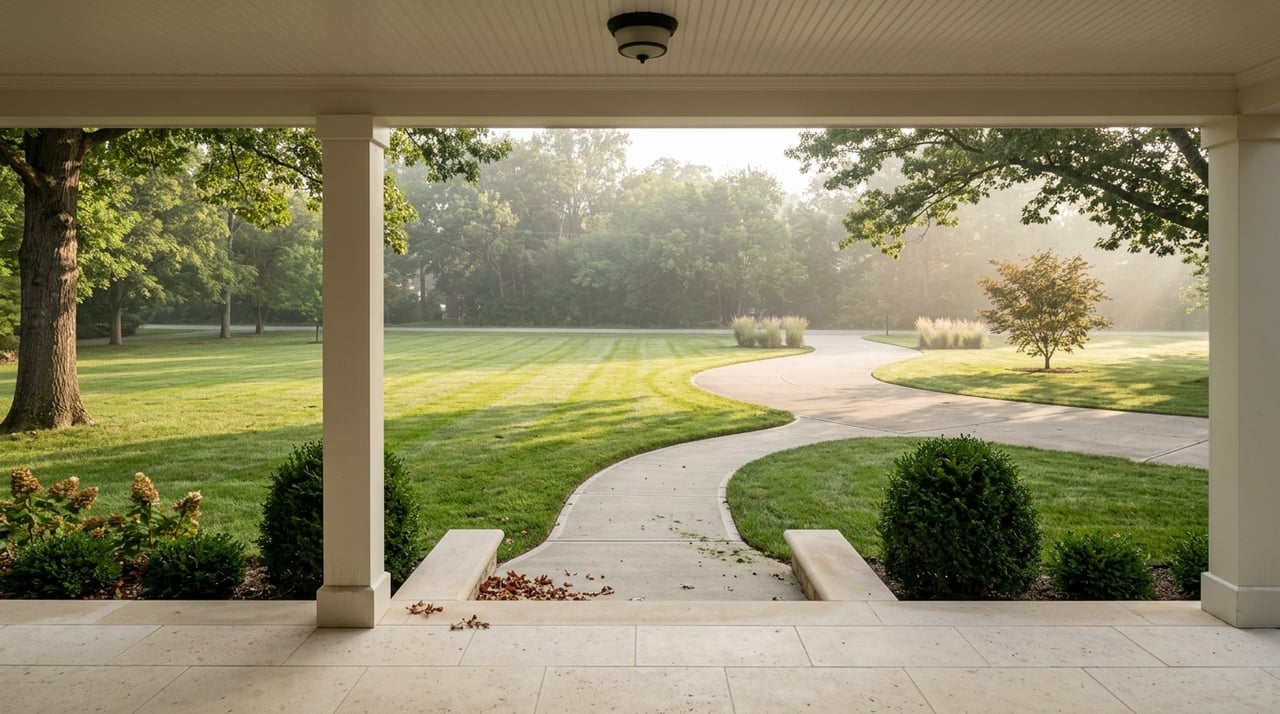
If you are drawn to the idea of more yard, a quieter setting, and room to spread out, Thompson’s Station probably has your attention. But like many fast-growing Middle Tennessee towns, the appeal comes with real tradeoffs around commute patterns and day-to-day convenience. If you are trying to decide whether this town fits your lifestyle, this guide will help you weigh the space, the drive times, and the feel of daily life so you can make a confident decision. Let’s dive in.
Why Thompson’s Station Stands Out
Thompson’s Station offers a different experience than a denser suburb. The town has grown from 1,283 residents in 2000 to 7,485 in the 2020 Census, and it spans more than 21 square miles with over 75 miles of roadway. Even with that growth, the town’s planning approach still aims to balance new development with a more rural-suburban character.
That matters when you are home shopping. In some places, growth can make every neighborhood feel the same. In Thompson’s Station, the mix of housing, land, and planning goals helps preserve a more space-forward feel.
What “More Space” Really Means Here
One of the biggest reasons buyers consider Thompson’s Station is simple: space. But space can mean different things depending on your budget, lifestyle, and how much maintenance you want.
In neighborhood-style subdivisions, many lots are around a quarter acre or less. Recent listing examples include homes on about 0.18 acres, along with several in the 0.25- to 0.37-acre range. If you want a traditional neighborhood setup with a detached home and usable yard, you can often find that here without needing full acreage.
On the other end of the market, Thompson’s Station also includes much larger properties. Current examples range from just over 1 acre to 2, 6.1, 8, 20.3, 41.48, and even 154.24 acres. That variety gives the town a broader feel than a typical subdivision-heavy suburb.
Housing Styles You’ll See
Detached single-family homes dominate the current housing snapshot. You will see a mix of all-brick traditional homes, ranch-style properties, and larger custom estates. Some of the larger properties may include features like barns, guest houses, pools, or wide covered porches.
This variety is part of the appeal. If you are comparing Thompson’s Station to a more uniform suburban market, you may notice that the housing here feels less one-note and more tied to land, setting, and lifestyle.
The Commute Tradeoff Is Real
If you are buying in Thompson’s Station, it is important to go in with clear expectations about transportation. This is a car-oriented town, and daily driving is a central part of life here. The town reports an average commute time of 25.8 minutes, and residents primarily drive alone.
For many buyers, that is a reasonable trade for more house and yard. Still, it helps to be honest about your weekly routine before you buy. If you need quick access to a lot of daily stops or prefer a less car-dependent lifestyle, this may feel like a bigger adjustment.
Roads to Pay Attention To
Some routes carry more pressure than others. The town identifies Columbia Pike, Thompson’s Station Road East, I-65, and Lewisburg Pike as some of the most stressed parts of the local transportation network. The public works department also points to I-65, I-840, State Route 6 or Columbia Pike, and State Route 106 or Lewisburg Pike as key travel corridors.
That does not mean every drive is difficult. It does mean your exact location in town can shape your experience in a big way. When you are house hunting, it is smart to test the route to work, school, or regular activities at the times you would actually be on the road.
Infrastructure Is Improving, But Gradually
There is also a long-term improvement story underway. TDOT is widening Hwy 31 or Columbia Pike from Franklin south through Thompson’s Station and into Spring Hill. The town says it accelerated preliminary engineering for that project from 2029 to 2026.
For buyers, the key takeaway is balance. Traffic pressure is being addressed, but the benefits will take time to show up in everyday driving. It is better to treat future road projects as a bonus rather than the main reason to justify a purchase.
Daily Life Leans Outdoor
If your ideal day includes getting outside, Thompson’s Station has a lot going for it. The town highlights multiple parks and trails, including Nutro Dog Park, Preservation Park, and Sarah Benson Park. Preservation Park alone is described as a 200-acre park with walking trails and a connection to Nutro Dog Park.
That recreation base shapes how the town feels. Instead of being centered mainly around retail and high-density commercial activity, Thompson’s Station offers a lifestyle that leans more toward open space, walking paths, and time outdoors.
Greenways Add Everyday Value
The town’s greenway vision is especially worth noting if you are thinking beyond just the house itself. The trail system is intended to connect major subdivisions and schools to parkland and Town Center while also providing an alternative transportation option.
That kind of planning can add real quality-of-life value. Even in a car-oriented town, nearby trails and connected outdoor spaces can make everyday routines feel more flexible and enjoyable.
School Access Matters to Many Buyers
For many households, school access is one reason Thompson’s Station stays on the shortlist. Williamson County Schools operates Thompson’s Station Elementary and Thompson’s Station Middle, and Independence High School is located in Thompson’s Station and borders the community.
As always, school assignment should be verified by address before you write an offer. Boundaries can vary by property, and confirming them early helps you avoid surprises.
Shopping and Convenience Are More Limited
This is one of the clearest lifestyle tradeoffs in Thompson’s Station. Compared with a fully built-out suburb, the in-town retail base is still relatively limited. The town is planning for more mixed-use and commercial development, and public documents identify commercial areas near Heritage Elementary and Middle as well as buildings in Town Center.
That growth may improve convenience over time, but today many buyers still notice the difference. If you are used to having a large retail footprint close to home, Thompson’s Station may feel quieter and less built out than nearby options.
Who Thompson’s Station Fits Best
Thompson’s Station is often a strong fit if you want a detached home, more elbow room, and a calmer residential setting. It can also appeal if outdoor space and access to Williamson County schools are high on your list.
It may be a less natural fit if your top priority is having more shopping and services just outside your neighborhood. The same is true if you want a shorter, more flexible, or less car-dependent routine. In many ways, Thompson’s Station asks you to trade some convenience for space and setting.
How to Decide If the Tradeoff Works for You
Before you buy, try to picture your actual week instead of just your dream home. Think about where you work, how often you drive, what kind of yard you want, and how much you value nearby parks versus nearby shopping.
A few practical questions can help:
- Do you want a neighborhood yard or true acreage?
- How often will you need I-65, Columbia Pike, or Lewisburg Pike?
- Are trails, parks, and outdoor space part of your normal routine?
- Would limited in-town retail feel peaceful or inconvenient?
- Are you comfortable with a town that is still growing into its future commercial footprint?
The right answer is personal. For some buyers, Thompson’s Station feels like breathing room. For others, the extra driving and lighter retail presence can outweigh the benefits.
Why a Local Strategy Helps
Because Thompson’s Station is not a one-size-fits-all market, buying well here takes more than a quick online search. Lot size, road access, neighborhood feel, and daily driving patterns can vary more than buyers expect. A home that looks perfect on paper may feel very different once you test the commute and see how it fits your routine.
That is where a local, relationship-first approach matters. When you are weighing lifestyle as much as square footage, clear guidance can help you narrow your search with more confidence and less stress.
If you are exploring homes in Thompson’s Station and want help weighing the real-life pros and cons, Kayla Jarmon can walk you through the options with local insight, responsive guidance, and a family-focused approach.
FAQs
What kind of lot sizes can you find in Thompson’s Station?
- Thompson’s Station includes both subdivision lots that are often around 0.18 to 0.37 acres and much larger properties ranging from just over 1 acre to more than 150 acres.
What is the commute like when buying a home in Thompson’s Station?
- Thompson’s Station is car-oriented, with an average commute time of 25.8 minutes, and key corridors include Columbia Pike, Thompson’s Station Road East, I-65, and Lewisburg Pike.
What parks and outdoor amenities are available in Thompson’s Station?
- The town highlights Nutro Dog Park, Preservation Park, and Sarah Benson Park, and Preservation Park includes about 200 acres with walking trails and a connection to Nutro Dog Park.
What schools serve buyers in Thompson’s Station?
- Williamson County Schools operates Thompson’s Station Elementary and Thompson’s Station Middle, and Independence High School is located in Thompson’s Station, but school assignment should always be verified by address.
Is Thompson’s Station a good fit if you want shopping nearby?
- Thompson’s Station has a smaller in-town retail base than a fully built-out suburb, so buyers who want more space may find it appealing, while buyers who want more nearby commercial convenience may see that as a tradeoff.